In many countries, preparing for a baby means buying a crib, choosing a stroller, and perhaps touring a hospital.
In South Korea, it often means something else first.
Booking a postpartum care center.
Not in the third trimester. Not after a baby shower. But sometimes within days of confirming pregnancy.
In some neighborhoods of Seoul, popular facilities fill months in advance. Couples compare pricing tiers, room sizes, lactation support programs, and meal quality as if selecting a boutique hotel — except the stay comes immediately after childbirth.
At first glance, this looks excessive. But in a country with one of the world’s lowest birth rates, childbirth has quietly transformed into a highly managed recovery project.
And the postpartum care center sits at the center of it.
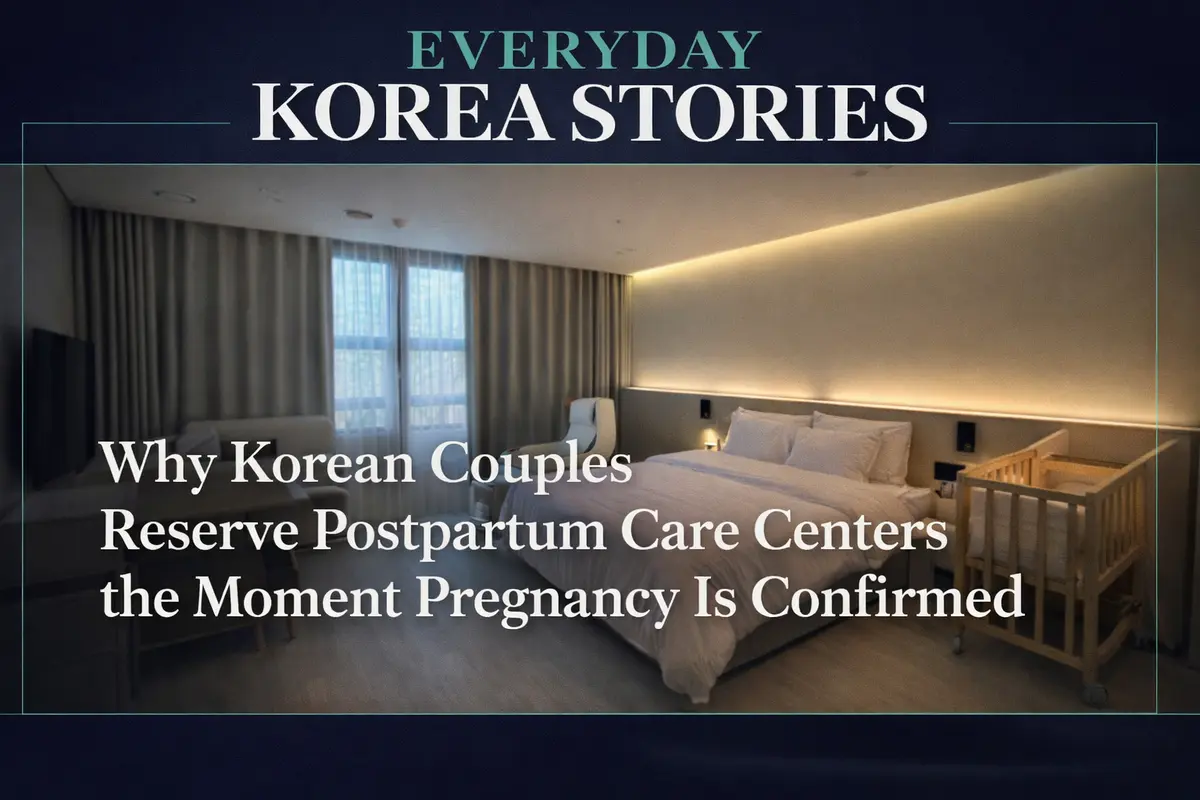
What Is a Korean Postpartum Care Center?
Korean postpartum care centers, known as *sanhu joriwon* (산후조리원), are residential recovery facilities where mothers stay for approximately two to three weeks after giving birth.
During this time:
* Nurses care for newborns in centralized nurseries.
* Mothers receive meals designed for recovery.
* Lactation consultants provide support.
* Postpartum massages and health monitoring are offered.
* Educational sessions cover newborn care basics.
The concept is rooted in traditional Korean postpartum recovery practices (*sanhu jori*), which emphasize rest, warmth, and structured healing. But modern centers elevate this tradition into a regulated, often premium, institutional environment.
For many Korean families, skipping a postpartum care center feels unusual.
Why Reservations Happen So Early
South Korea’s total fertility rate has dropped to historic lows. Fewer babies are being born each year, yet demand for high-quality postpartum facilities remains intense.
This creates a paradox: fewer births overall, but concentrated demand among those who do choose to have children.
Several factors drive early reservations:
1. Limited availability in popular districts
2. Tiered pricing and room scarcity
3. Risk management mentality
Couples treat childbirth planning less like preparation and more like securing a limited resource.
Media reports often describe “reservation pressure,” with parents contacting multiple centers immediately after confirming pregnancy.
In dense urban environments, waiting feels like exposure to risk.
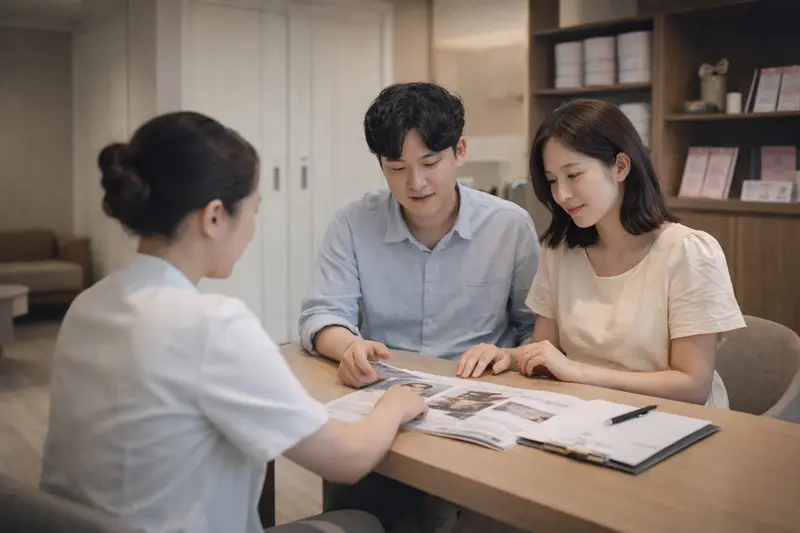
Childbirth as a Project, Not a Phase
In high-pressure societies, major life events tend to become organized projects.
University admissions are planned years ahead. Weddings are meticulously structured. Housing decisions are strategically timed.
Childbirth increasingly follows the same logic.
Rather than treating postpartum recovery as an improvised family period, many Korean couples view it as a logistical operation requiring early planning.
This reflects broader cultural patterns: minimizing uncertainty through structured systems.
The Privacy Shift After COVID
One notable change accelerated during the pandemic.
Traditionally, extended family — especially mothers-in-law — played active roles in postpartum care. Visits were frequent. Advice was constant. Boundaries were often blurred.
During COVID-19, infection control policies forced postpartum centers to restrict visitors. Many facilities allowed only the spouse to enter.
What began as a temporary restriction reshaped expectations.
In many centers, those limits remain.
The result is a more controlled, private recovery environment — one that some couples now actively prefer.
Why In-Laws No Longer Automatically Participate
In earlier decades, postpartum care often occurred at home, with mothers or mothers-in-law providing hands-on assistance.
Modern postpartum centers shift authority from family elders to trained staff.
The space becomes professionally managed rather than domestically negotiated.
This shift subtly changes family dynamics. When only the spouse can participate fully, the immediate household gains autonomy during a vulnerable transition period.
In parenting communities, this is often described not as distancing from family, but as reducing friction during recovery.
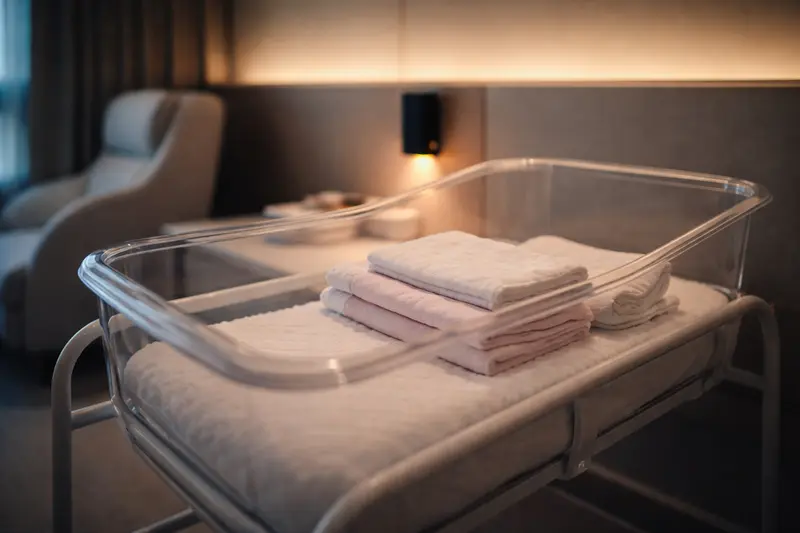
Luxury, Regulation, and Expectation
Not all postpartum centers are luxury-tier. There is a wide range of pricing across regions. But even mid-range facilities offer services that would be considered premium elsewhere.
Rooms often resemble hotel suites. Meals are nutritionally structured. Recovery programs include guided care and monitoring.
As expectations rise, standardization follows.
Government oversight regulates safety and staffing. Reviews circulate widely among expecting parents.
This visibility reinforces urgency.
The Low Birthrate Paradox
South Korea’s demographic situation adds weight to every pregnancy.
With fewer births, each one carries more significance. Many couples delay parenthood due to career or housing pressure. When the decision is made, preparation intensifies.
Childbirth becomes rare.
And rare events tend to be planned.
Rather than reducing services due to lower demand, the system shifts toward higher per-child investment.
Generational Perceptions
Older generations sometimes view postpartum centers as excessive compared to past home-based recovery.
Younger parents tend to frame them differently — as structured support that reduces uncertainty and physical strain.
The disagreement is not about whether recovery matters.
It’s about how it should be organized.
Planning as Emotional Insurance
Beyond logistics, early reservations serve a psychological function.
Securing a postpartum center removes one unknown.
It converts an unpredictable phase into a scheduled process.
In a society already built around planning — education, employment, housing — extending that mindset to childbirth feels consistent.
Booking early becomes a form of emotional insurance.
Could This Model Spread?
Other countries are beginning to observe Korea’s postpartum system.
Some regions in East Asia have similar models. Western countries are experimenting with shorter recovery programs.
But adoption depends on more than infrastructure.
It requires cultural acceptance of institutional care, financial flexibility, and trust in professionalized recovery systems.
Without those, the model remains niche.
In South Korea, it is already standard.
—
Frequently Asked Questions
Q: Why do Korean couples reserve postpartum care centers so early?
Answer: Limited availability, tiered room options, and a strong preference for structured planning lead many couples to secure reservations soon after pregnancy confirmation.
Q: What happens during a stay at a Korean postpartum center?
Answer: Mothers recover in private rooms while trained staff care for newborns in nurseries. Services include meals, health monitoring, and lactation support.
Q: Can family members visit during the stay?
Answer: Many centers restrict visitation primarily to spouses, a practice that became common during COVID-19 and continues in numerous facilities.