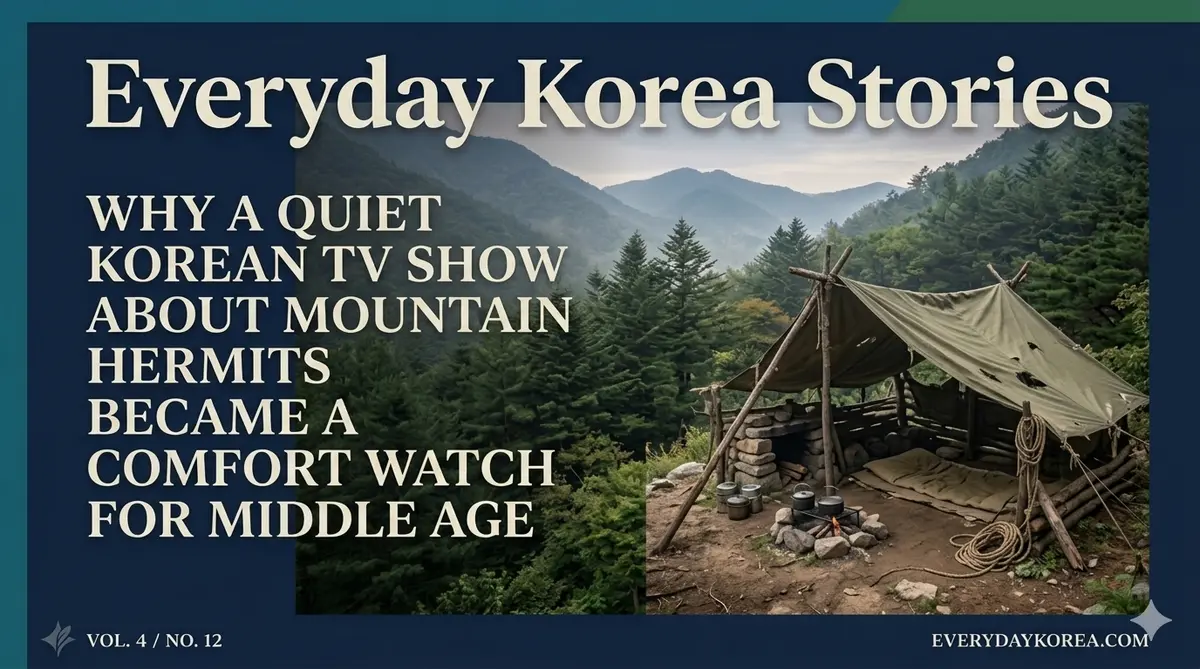
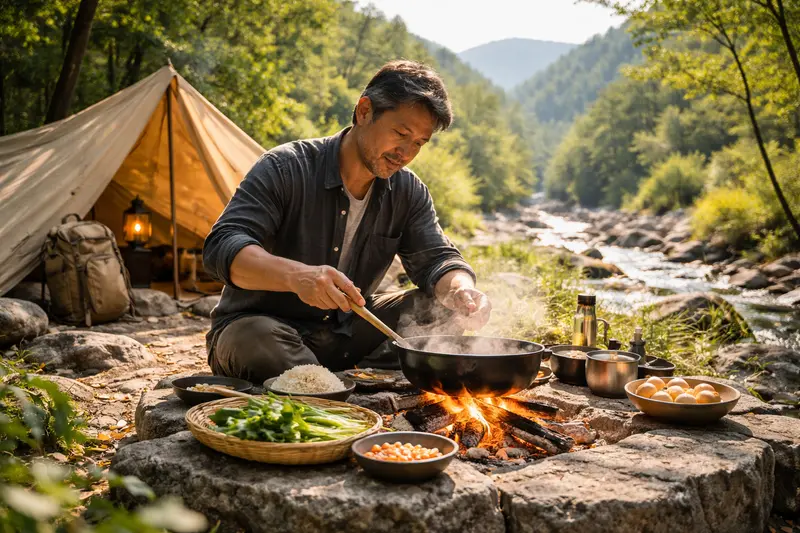
A man sits beside a small fire outside a wooden cabin, quietly turning a pot with a metal spoon. There is no music. No urgency. Just the sound of wind moving through trees somewhere behind him.
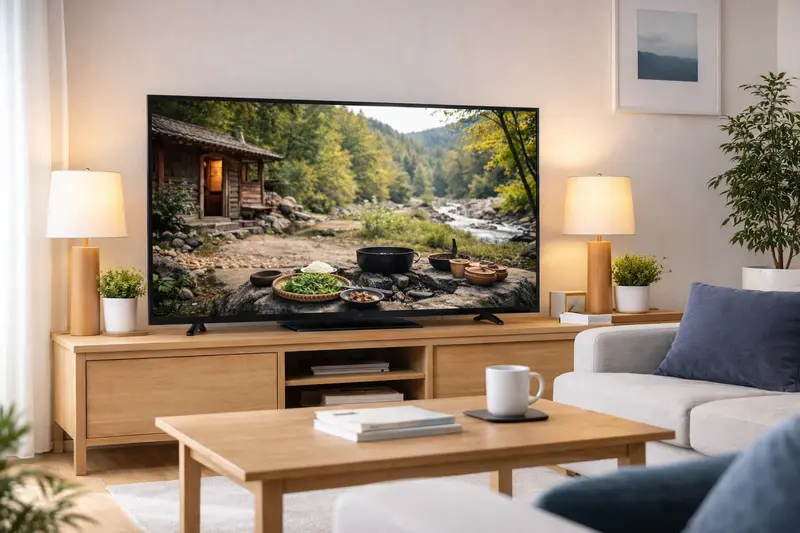
In many Korean households, this scene appears late at night on television.
Nothing dramatic happens next.
And yet, people keep watching.
The program is called *I Am a Natural Person* — a show that follows individuals who have left city life to live alone in the mountains. For years, it was dismissed as something meant for older viewers.
Then, slowly, something changed.
People who once ignored it began to understand it.
And eventually, many began watching it themselves.
What the Show Actually Is
First aired in 2012, *I Am a Natural Person* documents individuals who voluntarily left urban life behind.
Each episode follows a simple structure:
– a host hikes into the mountains
– they meet someone living off-grid
– daily routines unfold slowly
– conversations focus on life choices
There is no competition.
No plot twists.
No urgency.
The pacing feels almost out of place in modern television.
And that is precisely the point.
Why Middle-Aged Viewers Keep Watching
The show’s strongest audience is middle-aged, especially men in their 40s and 50s.
The appeal is not about copying the lifestyle.
It is about contrast.
Urban Korean life is structured around:
– long work hours
– financial responsibility
– family expectations
– constant social obligations
The mountain life shown on screen represents the opposite.
No evaluation. No deadlines.
Just daily survival at a human pace.
Viewers are not watching adventure.
They are watching relief.
The Moment Perspective Changes
Younger viewers often react with confusion at first.
Why give up comfort and stability?
But over time, that reaction shifts.
What once looked like isolation begins to feel like freedom.
This transition reflects something deeper.
As responsibilities increase, simplicity becomes valuable.
Many viewers describe discovering the show gradually — not seeking it, but slowly recognizing its comfort.
Slow Television in a Fast Society
South Korea is one of the most digitally fast-paced societies in the world.
Content is usually optimized for speed and stimulation.
This show does the opposite.
Scenes linger.
Silence remains.
Nothing is rushed.
The result resembles what media researchers call slow media — content that regulates emotional pace rather than accelerating it.
In many homes, the show plays in the background.
Not as active entertainment.
But as atmosphere.
Escape Without Leaving
Most viewers do not actually want to move into the mountains.
The appeal is symbolic.
The person on screen has already made a decision viewers cannot realistically make.
Watching becomes a safe way to imagine an alternative life.
The mountains exist temporarily.
An hour at a time.
Masculinity and Indirect Emotion
The show also resonates with how emotional expression works in certain social contexts.
Rather than directly discussing stress or burnout, the program presents those feelings through lifestyle choices.
The people featured often talk about:
– exhaustion
– disappointment
– desire for peace
But framed as decisions, not emotions.
This makes reflection easier.
Instead of saying “I feel overwhelmed,” viewers can think, “That life looks calm.”
The message arrives indirectly.
Economic Pressure and Media Preference
South Korea’s rapid development created a culture of sustained effort.
By midlife, many people face a paradox:
They achieved stability.
But lost flexibility.
Entertainment preferences shift accordingly.
Fast ambition-driven content becomes less appealing.
Quiet, sufficient lifestyles become more attractive.
The show functions as a form of emotional recalibration.
Why Younger Viewers Are Joining
Interestingly, younger audiences are beginning to watch as well.
Often, it starts ironically.
Clips are shared for humor.
But extended viewing changes perception.
The pace becomes calming.
The silence becomes valuable.
This reflects a broader shift:
Even digitally native generations are experiencing fatigue from constant stimulation.
A Cultural Signal Beyond Television
The show’s long-term success reveals something larger.
As societies become more intense, people seek media that reduces pressure rather than increases it.
Themes gaining importance include:
– autonomy over achievement
– rhythm over productivity
– sufficiency over growth
Korea’s environment makes these shifts visible early.
When Entertainment Becomes Emotional Rest
The continued popularity of a quiet mountain lifestyle show reveals something unexpected.
As life accelerates, people look for ways to slow down.
Even temporarily.
Watching someone live with fewer demands does not solve real pressures.
But it changes how those pressures feel.
For a moment.
And in that moment, the viewer is not escaping life.
Just stepping slightly outside of it.
—
Frequently Asked Questions
Q: What actually happens in each episode of this show?
Answer: Very little in a traditional sense. The show follows daily routines like cooking, gathering wood, and conversation, focusing on atmosphere rather than events or drama.
Q: Why do middle-aged viewers connect with it so strongly?
Answer: Because it contrasts with their daily lives. It offers a quiet alternative to structured, high-pressure routines without requiring real change.
Q: Would a first-time viewer from another country understand the appeal?
Answer: At first, it may feel slow or uneventful. But with time, many viewers begin to appreciate the calm pacing and the sense of relief it creates.